Golden Hulls and Rhythmic Chants: Unveiling Thailand’s Majestic Royal Barge Procession

There are spectacles, and then there are living, breathing chapters of history that unfold right before your eyes. If you’ve ever wondered what it looks like when centuries-old traditions, jaw-dropping craftsmanship, and a nation’s deep spiritual devotion collide, look no further than Thailand’s Royal Barge Procession (Krabuan Phayuha Thong Yai).

Rarely performed and fiercely protected, this is not just a boat ride—it is a breathtaking aquatic ballet that commands the waters of Bangkok’s Chao Phraya River. Grab a cold Thai iced tea and let’s dive deep into the fascinating history, intricate vessel formations, and sheer magic of Thailand’s most elite royal tradition!

A River of Time: The Historical Roots of the Procession

To truly appreciate the Royal Barge Procession, we have to wind the clock back nearly 700 years to the Ayutthaya Period (1350–1767).

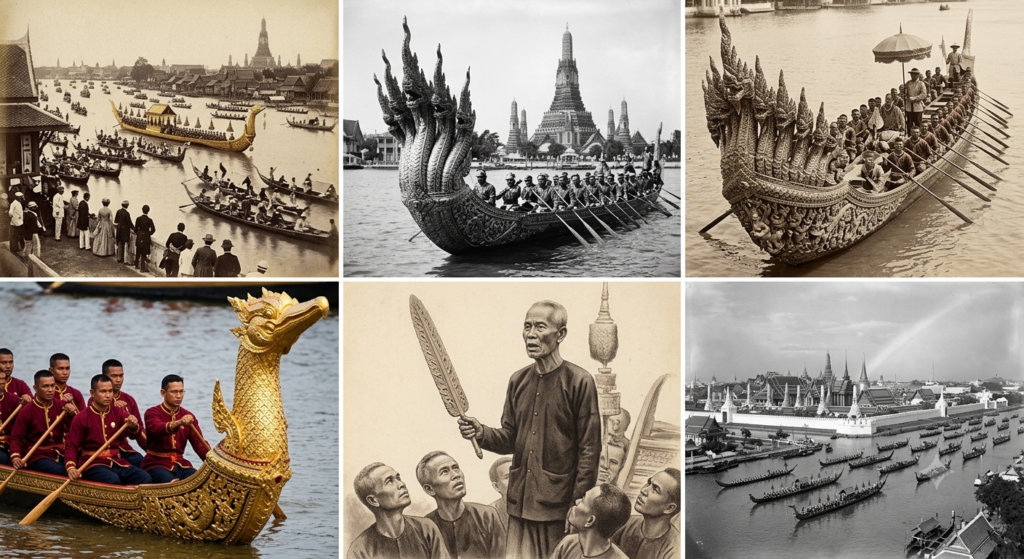
In those days, Siam’s rivers weren’t just trade routes; they were the main highways of the kingdom. The Thai military relied heavily on naval power to patrol borders, transport troops, and wage war. When peace time rolled around, or when major religious milestones approached, these war galleys were transformed into magnificent ceremonial fleets to transport the King, royal family, and sacred Buddhist relics.

After the fall of Ayutthaya and the establishment of Bangkok as the new capital, Kings Rama I and his successors meticulously resurrected the tradition. What started out of military necessity evolved into a supreme symbol of statecraft, religious devotion, and the divine mandate of the Thai monarchy.

Anatomy of a Floating Masterpiece: The Main Vessels


The procession is essentially a floating museum featuring dozens of handcrafted wooden barges, but four principal vessels steal the absolute spotlight:

  • The Suphannahong Royal Barge (The Swan Supreme): This is the ultimate crown jewel of the fleet. Built from a single giant teak tree trunk, its bow is carved into the majestic head of a mythical swan (Hongsa), covered in shimmering gold leaf and glass mosaics. This serves as the personal vessel of the King.

  • Anantanakkharat: Easily recognisable by its striking multi-headed green Naga (serpent) prow. This barge historically carried the sacred relics of the Buddha or royal regalia.

  • Anekachatphuchong: This barge features hundreds of small, intricately carved miniature Nagas along its hull, showcasing the mind-blowing detail of traditional Thai woodcarving.

  • Narai Song Suban Hathainarai: Featuring the Hindu god Narai (Vishnu) riding his mount, the mythical Garuda, on the bow. This modern addition was built to commemorate the Golden Jubilee of King Bhumibol Adulyadej (Rama IX).

The Formation: A Floating Military Strategy

When the fleet takes to the water, it doesn’t just paddle in a straight line. It moves in a strict, ancient naval formation reminiscent of ancient Siamese battle tactics.

Spanning roughly 1,200 meters long and 90 meters wide, the formation consists of:

  • The Vanguard and Flank Guards: Protective rows of smaller war-canoes and ceremonial guard boats that clear and secure the waterway.

  • The Main Centerpiece: The sacred royal barges flanked by noble and officer vessels.

  • The Rear Guard: Closing out the majestic procession, ensuring absolute harmony and safety.

As they glide, hundreds of oarsmen—dressed in vibrant ancient red-and-gold ceremonial uniforms—dip their paddles into the water in precise unison. Their movements are synchronized to the hypnotic rhythm of traditional boat-rowing chants (Reo-He), echoing off the modern skyscrapers and ancient temples lining the riverbanks.

Rare and Regal: When Can You Witness It?

One reason the Royal Barge Procession is so legendary is its extreme rarity. It is never performed on a regular schedule or for routine tourism.

Instead, it is exclusively reserved for monumental national occasions—such as royal coronations, major Buddhist jubilees, or royal Kathina robe-offering ceremonies. Because constructing and maintaining these wooden heritage vessels requires master craftsmen using age-old, guarded techniques, every single procession is a once-in-a-lifetime cultural event.

Plan Your Visit to the Royal Barge National Museum


Even if you aren’t in town during an active royal procession, you can still experience the magic! Head over to the Royal Barge National Museum, located along the Bangkok Noi canal on the Thonburi side. It houses the actual royal barges safely out of the water, allowing you to walk right up to the golden, swan-headed prows and marvel at the jaw-dropping artistry up close.

Ready to experience Thailand’s rich heritage firsthand on your next trip? Let our travel experts craft your perfect customized itinerary! Visit voyjing.com or reach out to us directly at contact@voyjing.com

Have you ever witnessed a traditional water festival, or is this royal river spectacle at the top of your bucket list? Let us know in the comments below!

Leave A Comment:

Your email address will not be published. Required fields are marked *